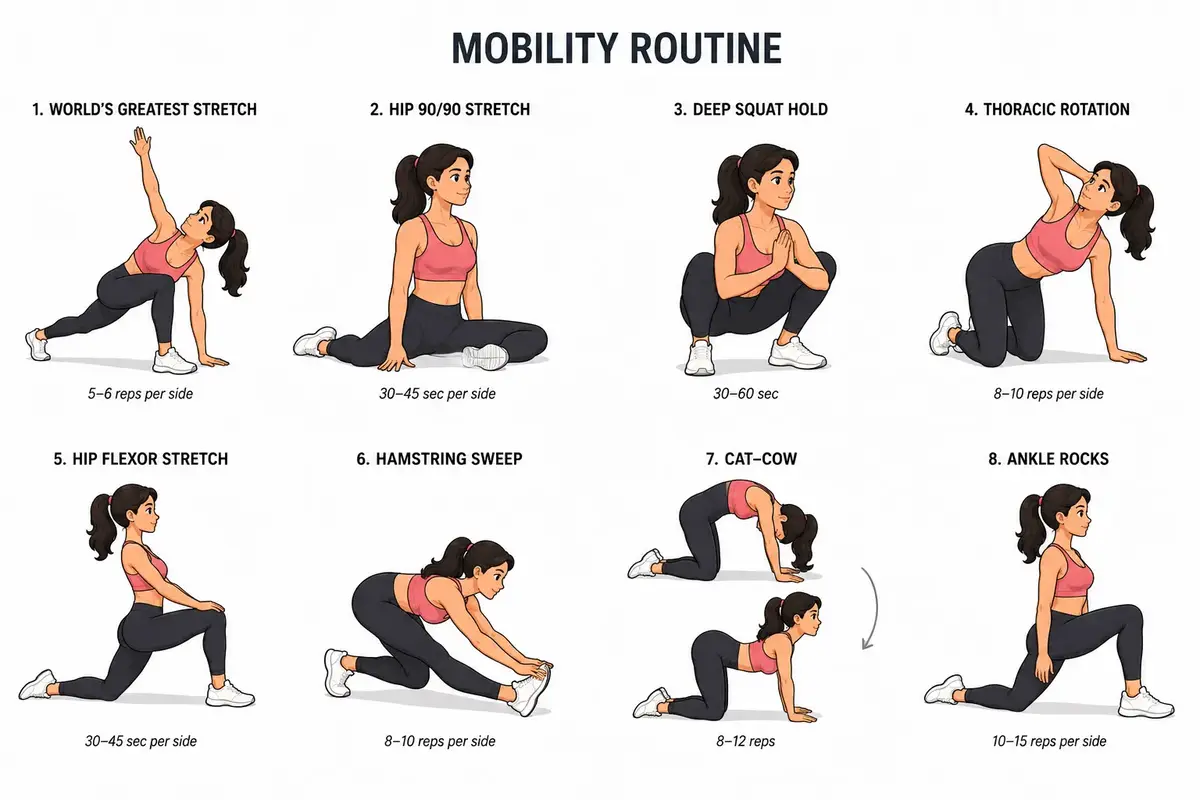
This guide is for women who are just starting out in the gym, coming back after a long break, or who want a structured approach to exercise and nutrition. Whether you want to lose weight, shape your body or simply become stronger and healthier, this plan gives you a solid foundation.
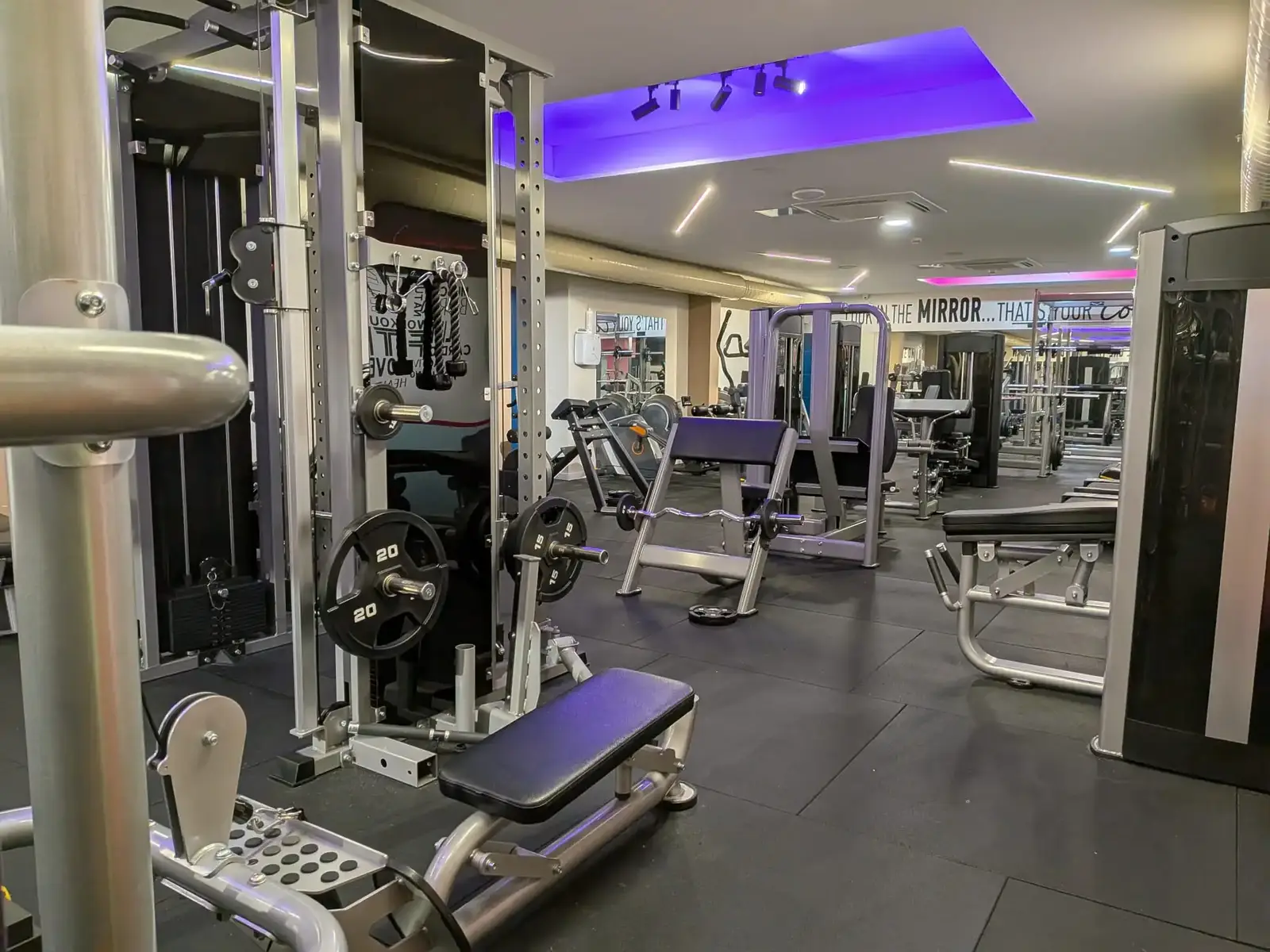
GymAlinar is a women-only gym in Dobrinja, Sarajevo, offering a safe and supportive space for women of every fitness level. We focus on proper technique, gradual progress and building healthy habits that last.
Basic training rules for beginners
1
Technique before weight
Always master proper technique before adding weight. Poor technique leads to injuries, not results.
2
Controlled movement
Slower, controlled movements recruit more muscle fibres than fast, uncontrolled ones.
3
Strength training is the base
Lifting weights is the best way to shape your body and boost your metabolism – don't be afraid of weights!
4
Cardio is an add-on
Cardio is useful but not the most important part. 2–3 short cardio sessions a week alongside strength training are enough.
5
Consistency matters most
Regular training 3–4 times a week beats occasional intense sessions.
Weekly training plan for beginners
Day
Workout
Monday
Plan A — Lower body (glutes, legs)
Tuesday
Light cardio + core exercises (20–30 min)
Wednesday
Plan B — Upper body (back, shoulders, posture)
Thursday
Rest or light cardio (walking)
Friday
Plan A — Lower body
Saturday
Full-body workout or Plan B
Sunday
Rest
Note: This plan is flexible. As a beginner you can start with 3 sessions a week (e.g. Monday, Wednesday, Friday). Once your body gets used to it, add a fourth day. Regularity and proper technique matter more than the amount of training.
Warming up before training
A warm-up is key to preventing injuries and preparing your body for training. Always spend 5–10 minutes warming up before the main part of your workout.
Basic warm-up (5–10 minutes):
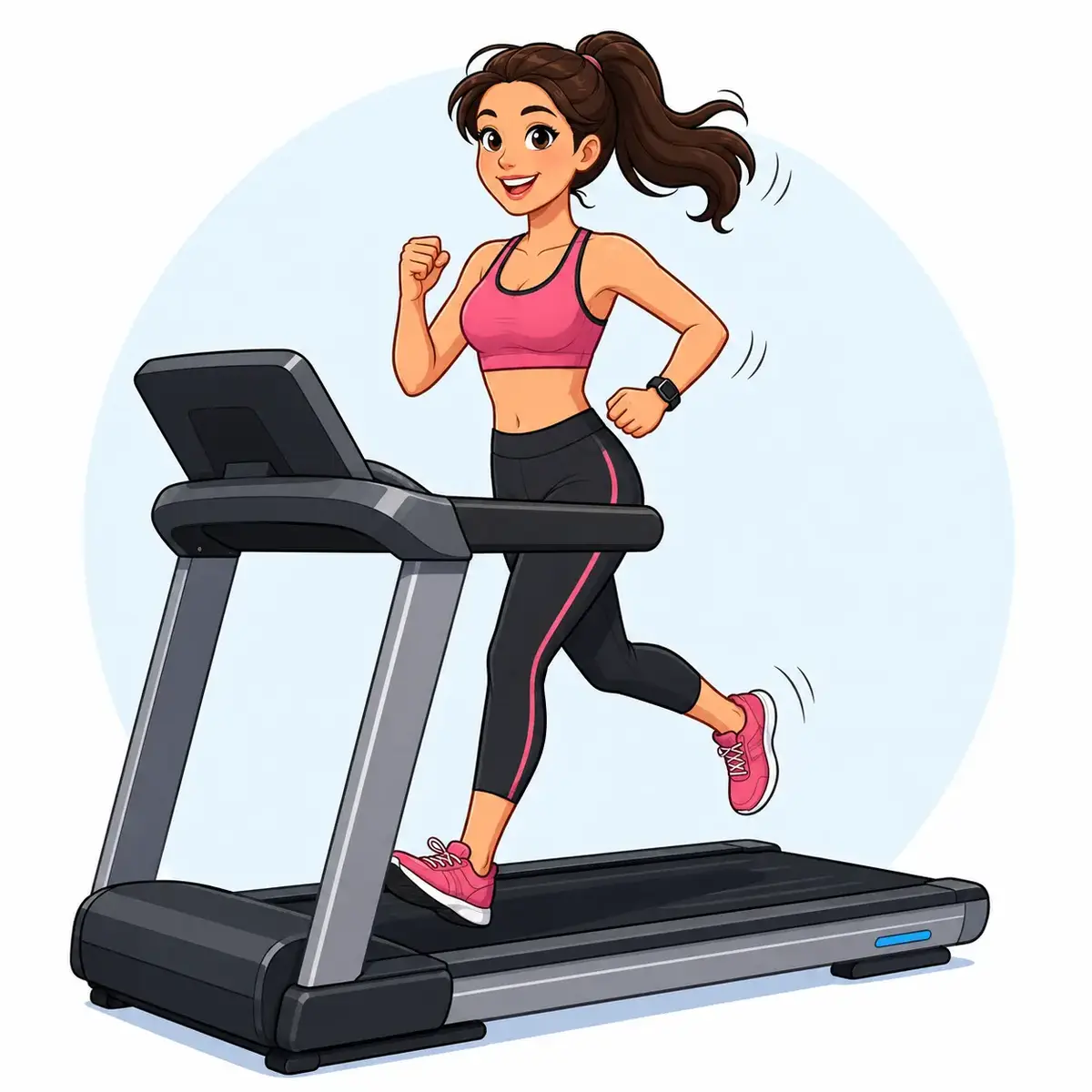
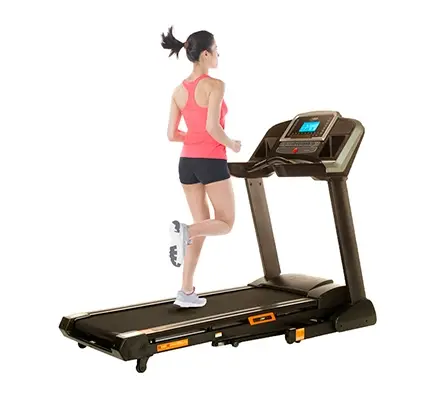
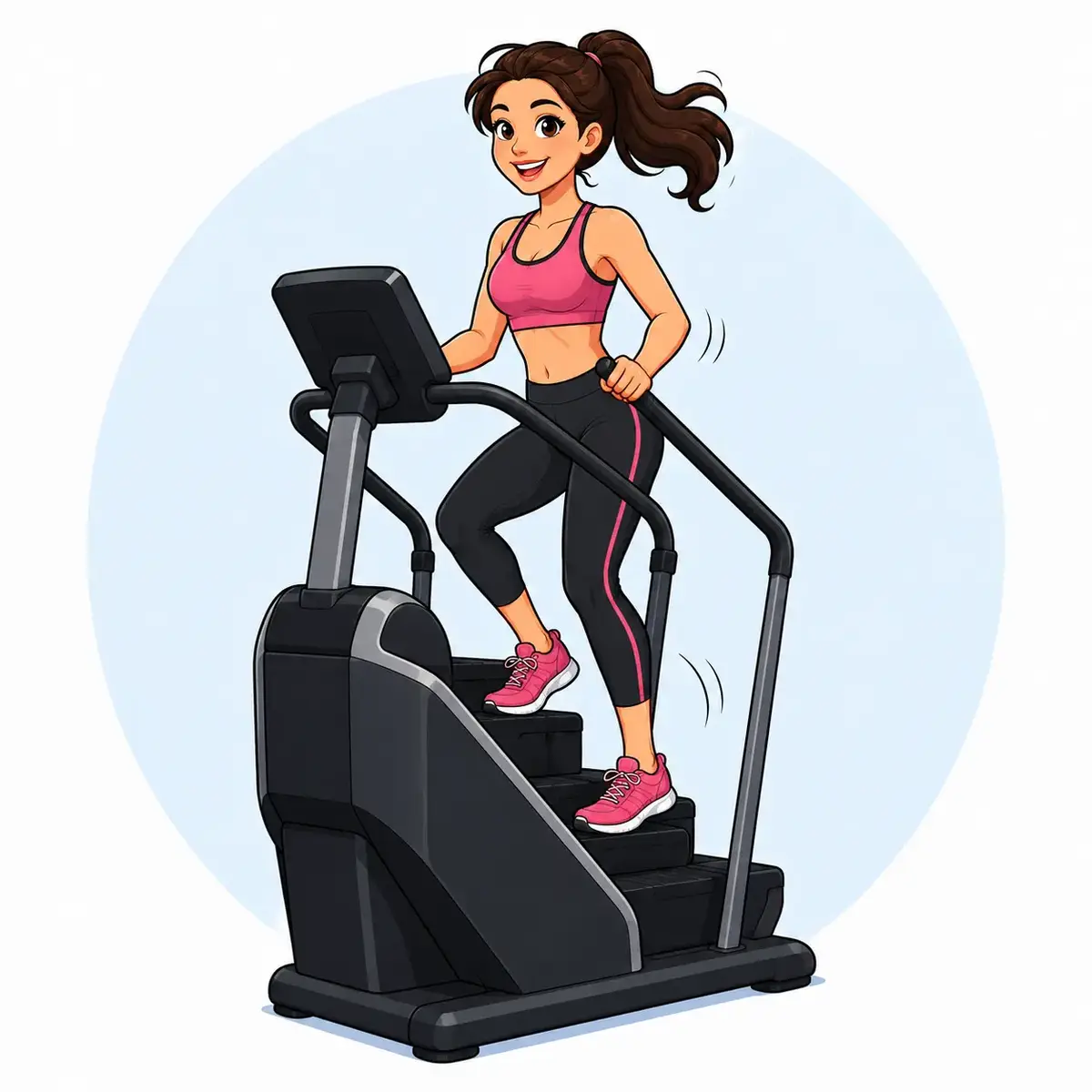
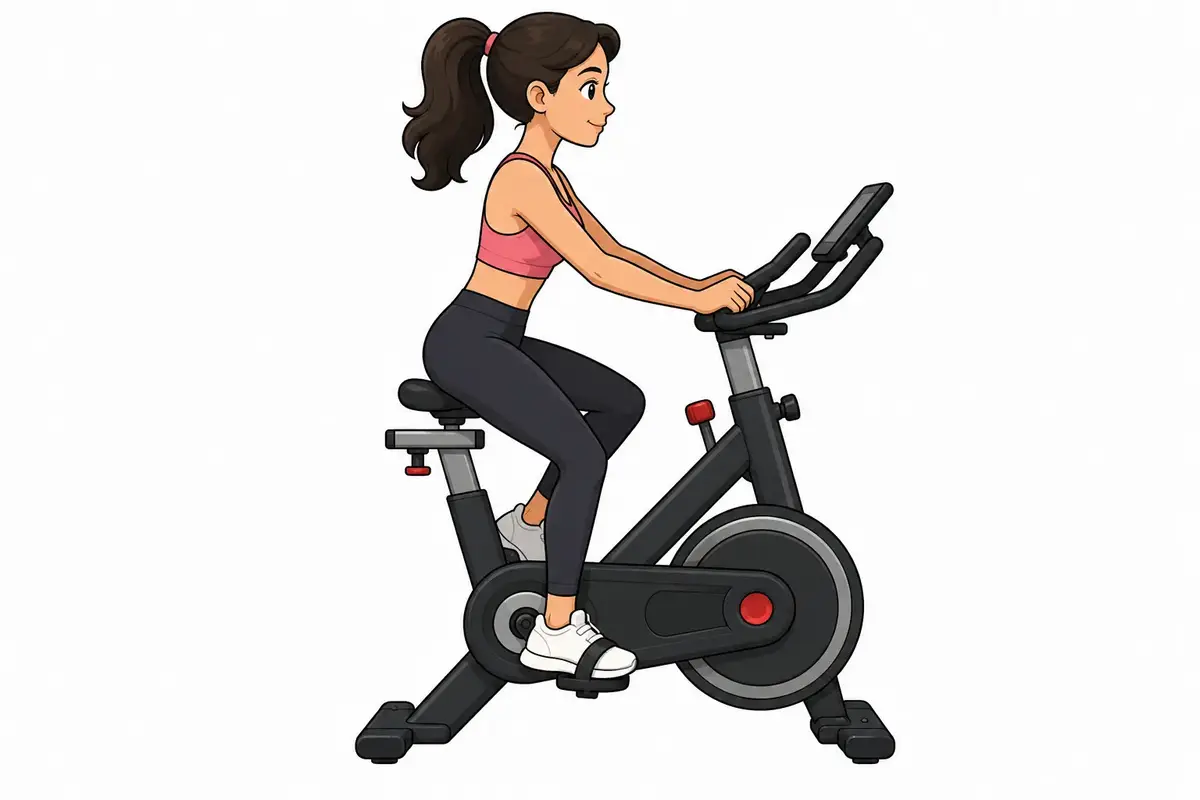
5 minutes of light cardio (treadmill, bike or stepper)
10 bodyweight squats (no weights)
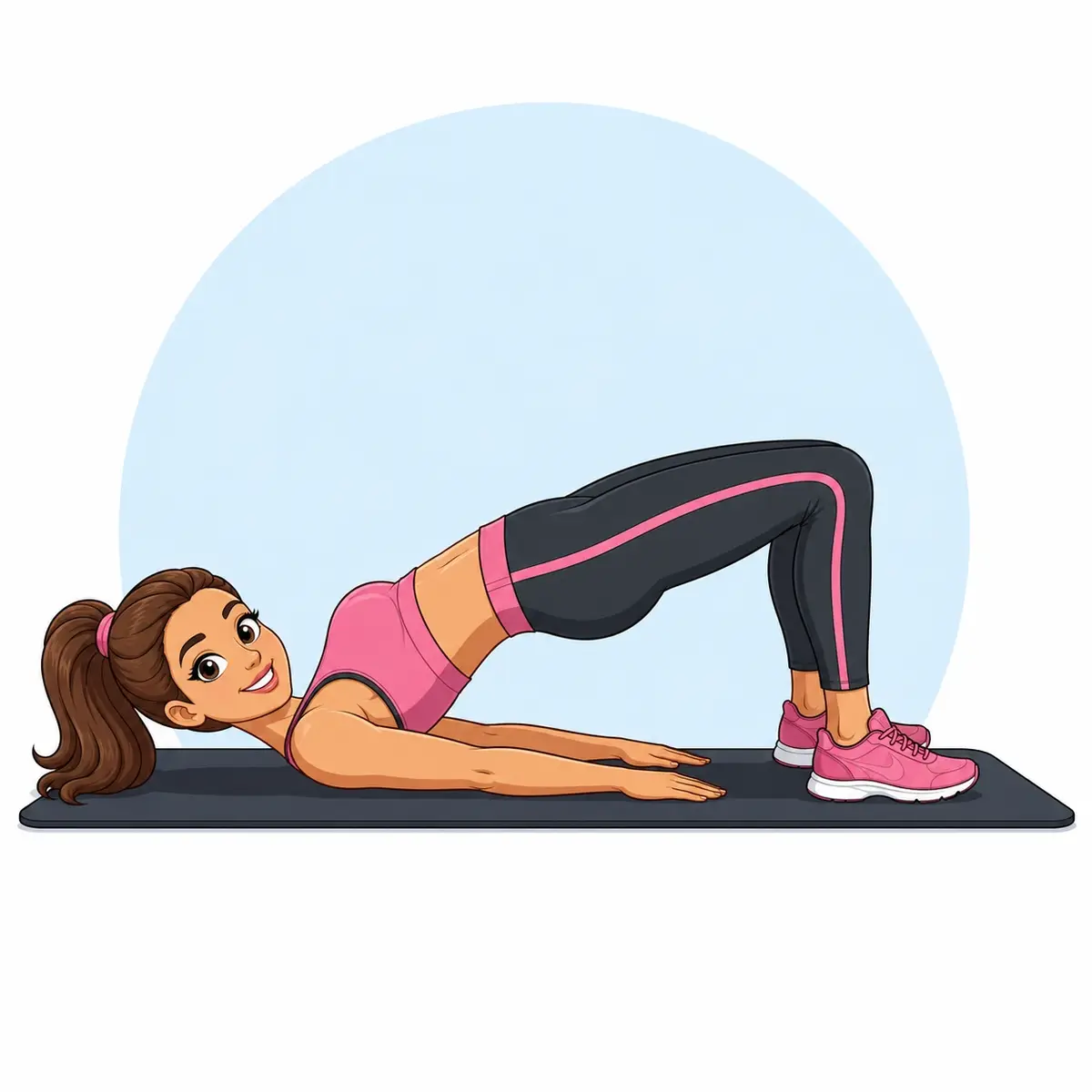
10 glute bridges
10 forward-back leg swings (each leg)
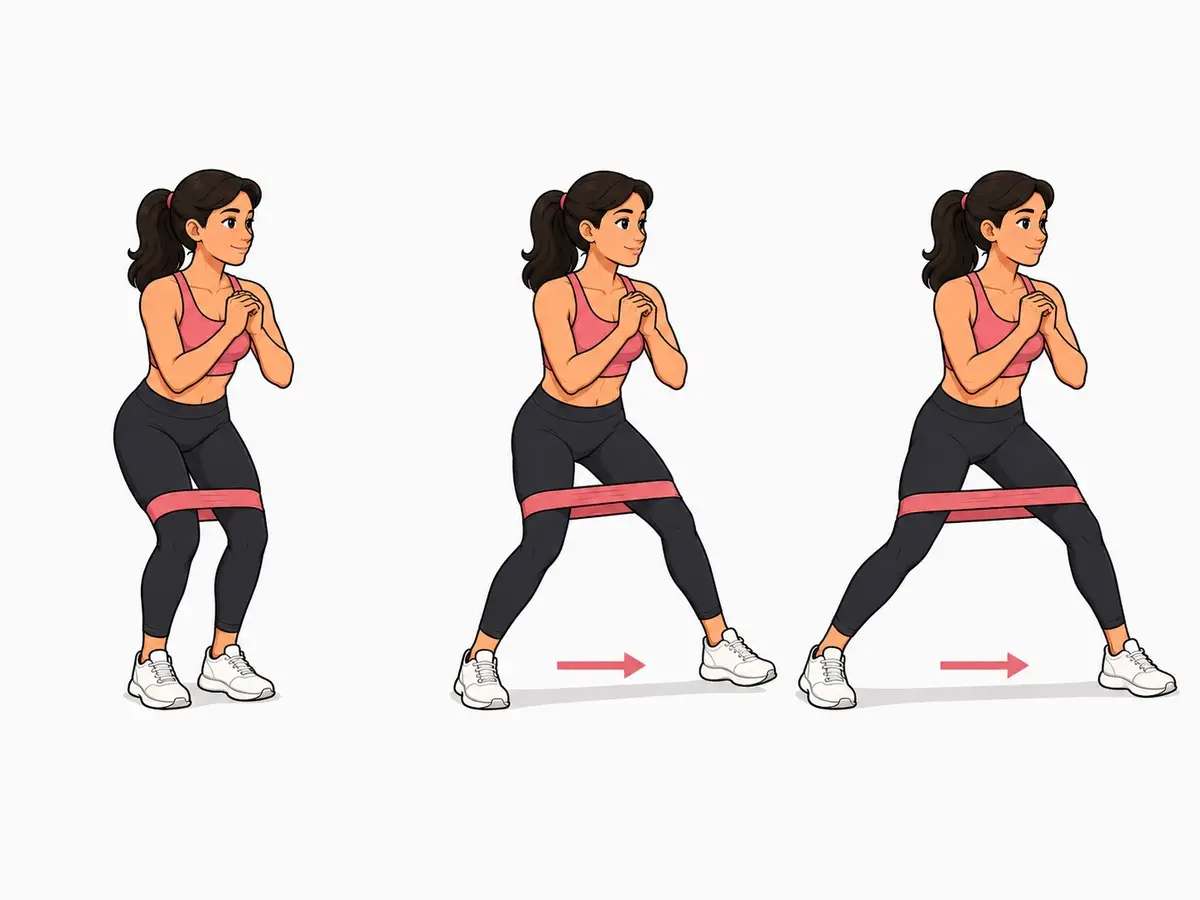
15 steps with a resistance band around the knees (band walks)
TreadmillGlute bridgeBand walksMobility
Plan A — Lower body: glutes and legs
This workout focuses on building and shaping the glutes and legs. Every exercise is chosen to work these muscle groups as much as possible while staying safe for beginners.
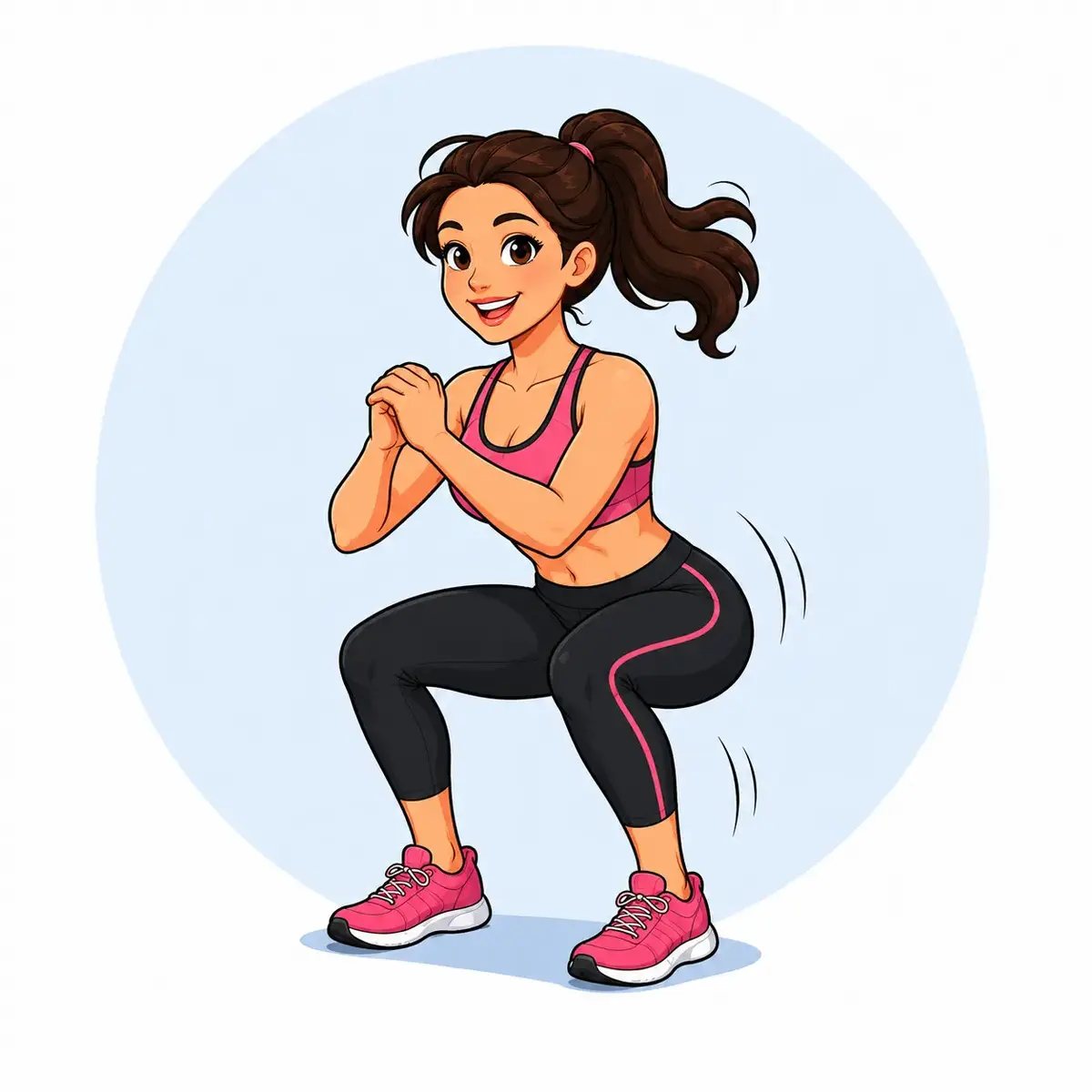
Squat
3 x 10–12 reps
Muscles worked: Glutes, quadriceps, hamstrings
Proper technique: Feet shoulder-width apart, toes turned slightly out. Lower yourself as if sitting on a chair, knees tracking over your toes (not caving in). Chest up, eyes forward. Go down until your thighs are parallel to the floor.
Common mistakes: Knees caving in, back rounding forward, moving too fast, too much weight at the start.
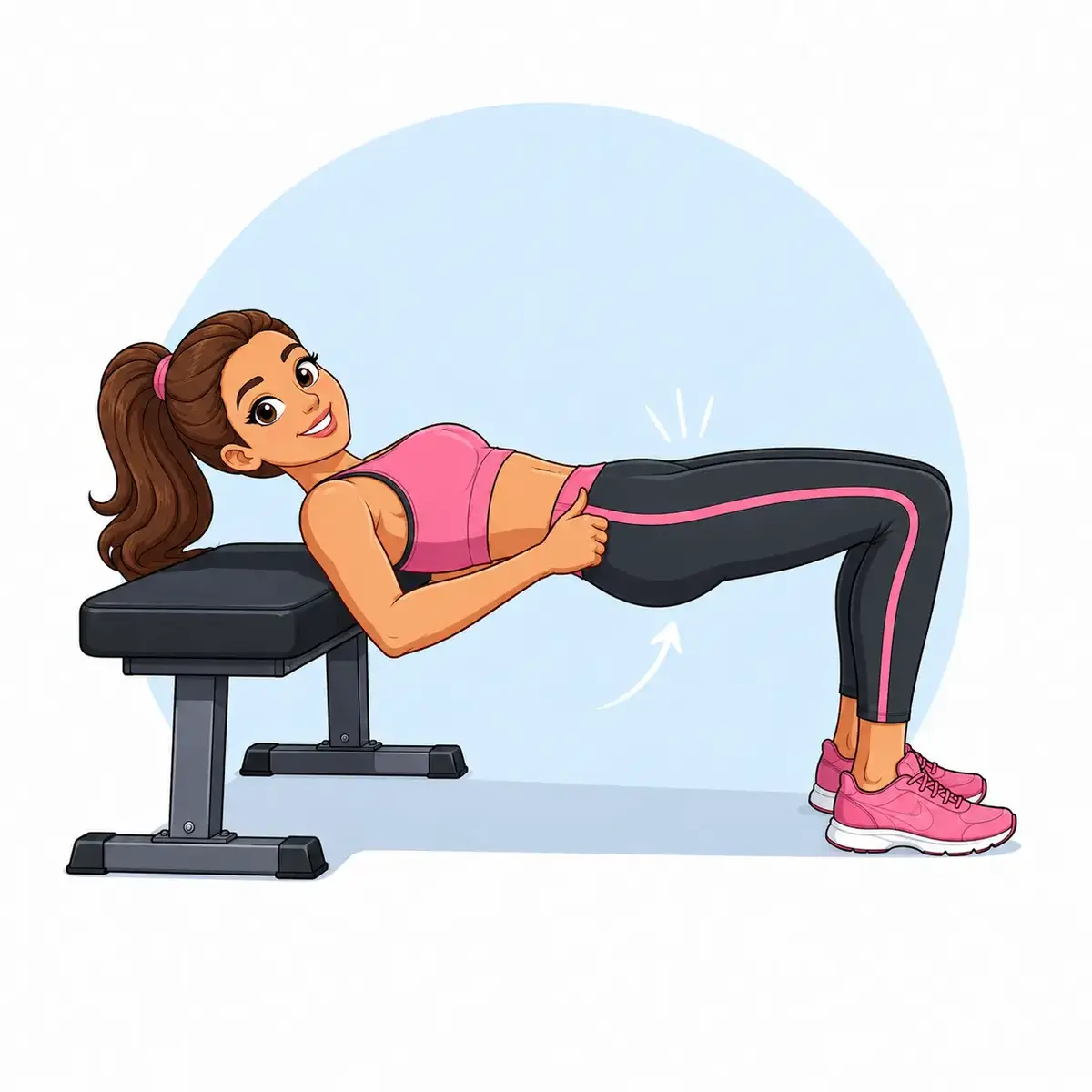
Hip thrust
4 x 10–12 reps
Muscles worked: Gluteus maximus, hamstrings
Proper technique: Rest your upper back on a bench (shoulder height). Feet flat on the floor, hip-width apart. Raise your hips until your body forms a straight line from knees to shoulders. Squeeze your glutes at the top for 1–2 seconds.
Common mistakes: Raising the hips too high (overarching), throwing the hips up quickly, lifting the feet.
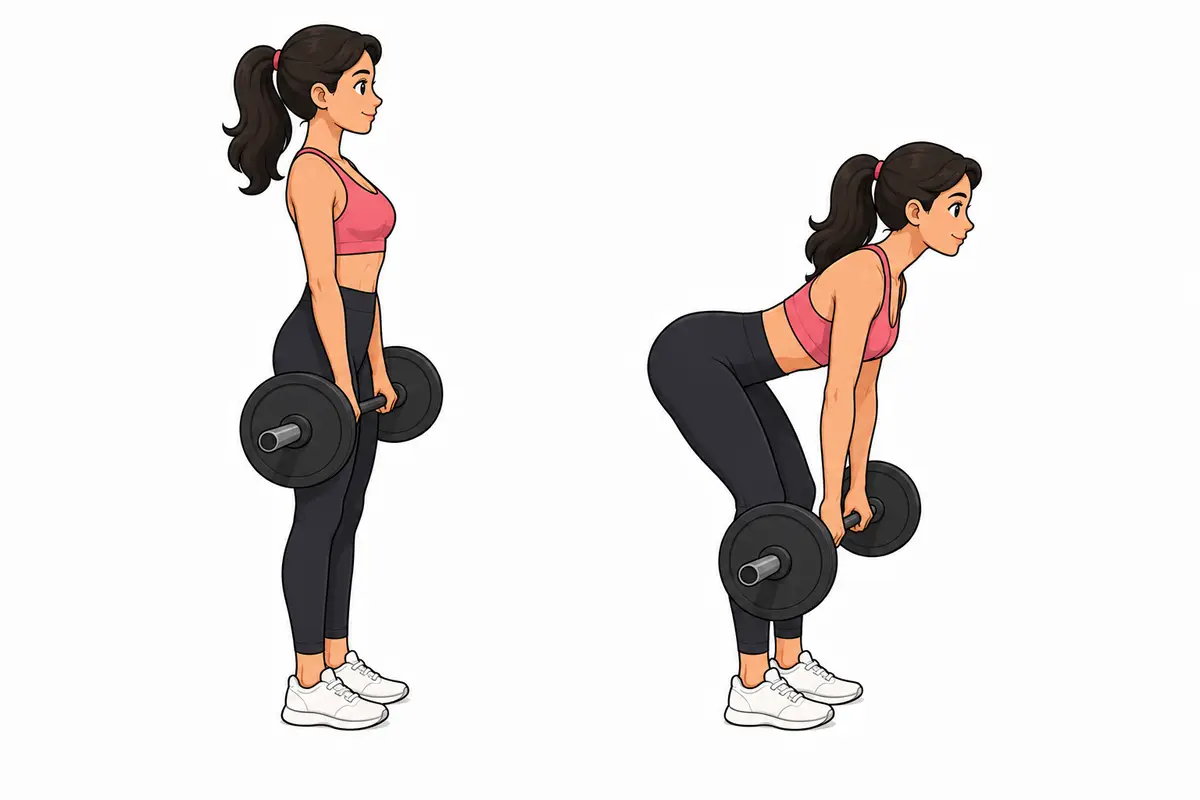
Romanian deadlift
3 x 10 reps
Muscles worked: Hamstrings, glutes, lower back
Proper technique: Feet hip-width apart, knees slightly bent. Keep the bar close to your legs and lower it while keeping your back flat. Feel the stretch in your hamstrings. Return to the start by squeezing your glutes.
Common mistakes: Rounded back, too much weight, moving too fast, locked knees.
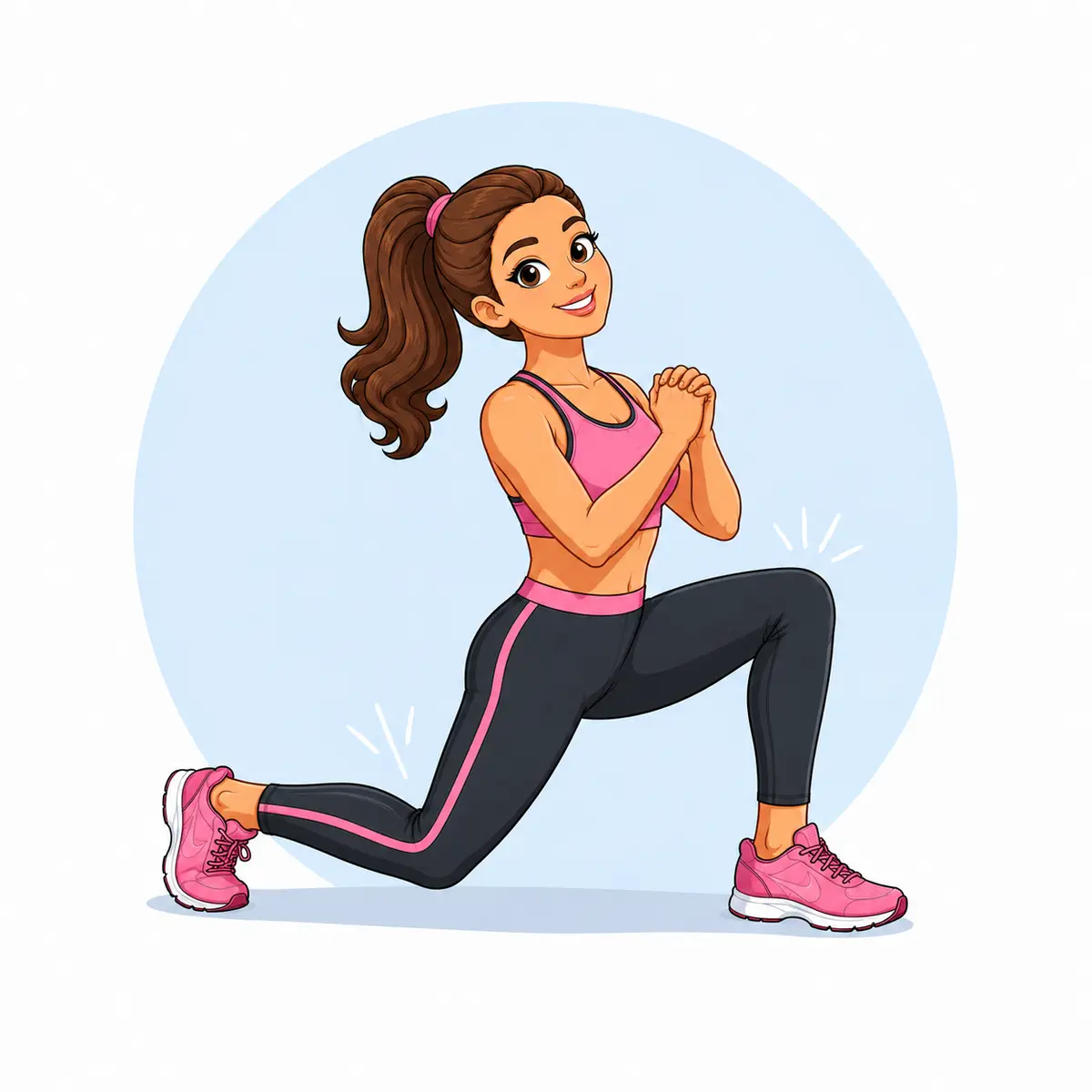
Lunge
3 x 10 reps (each leg)
Muscles worked: Glutes, quadriceps, hamstrings
Proper technique: Step forward and lower your back knee towards the floor (without touching it). Your front knee stays above your foot, not past your toes. Push through the front leg to return.
Common mistakes: Front knee going past the toes, step too short or too long, leaning forward.
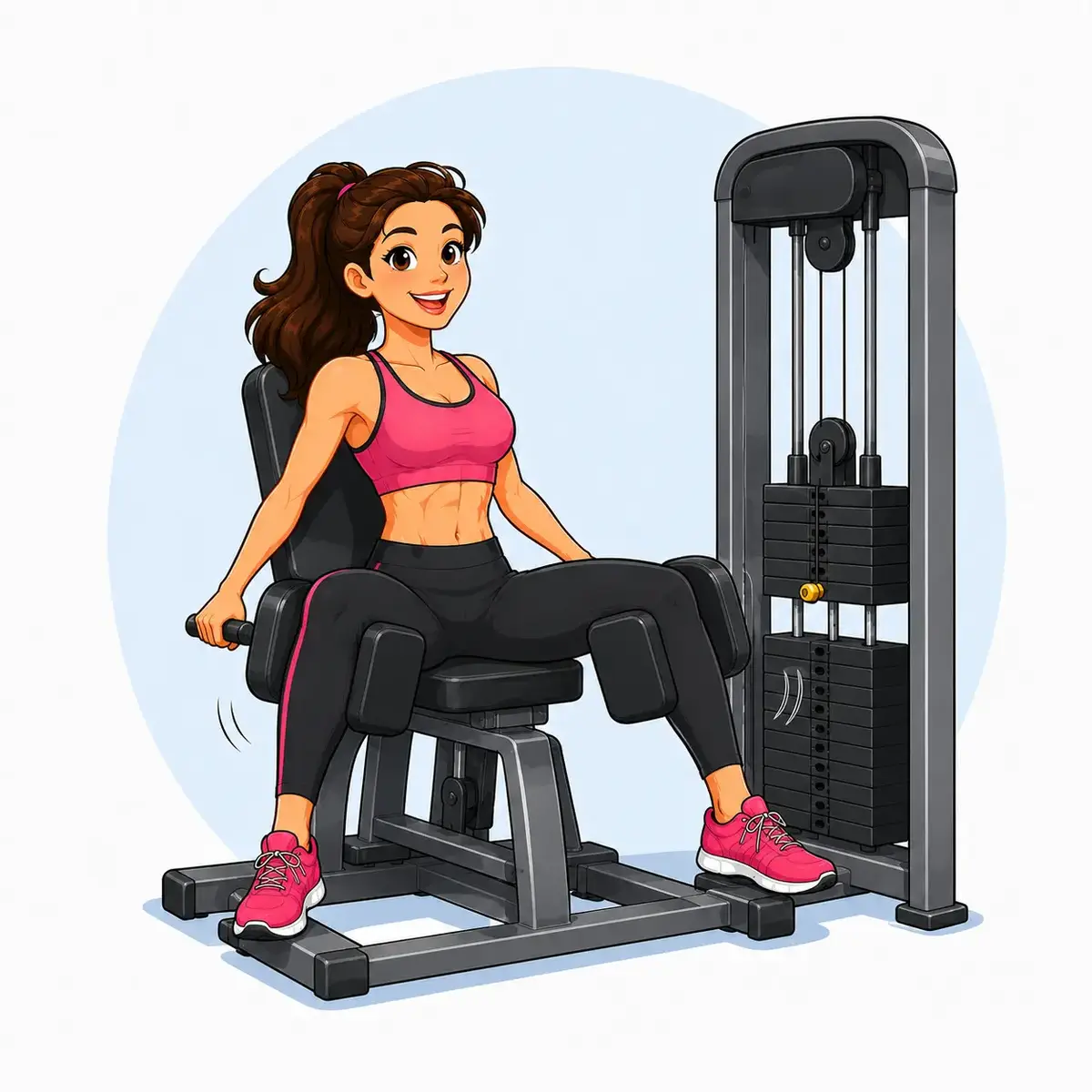
Abductor machine
3 x 15 reps
Muscles worked: Gluteus medius (side of the glutes)
Proper technique: Sit in the machine with your back pressed against the pad. Push your legs outwards in a controlled way, hold for 1 second, then return.
Common mistakes: Moving too fast, using momentum, too much weight at the start.
Plan B — Upper body: back, shoulders and posture
This workout strengthens the back and shoulders and improves posture. It is especially important for women who sit a lot or struggle with their posture.
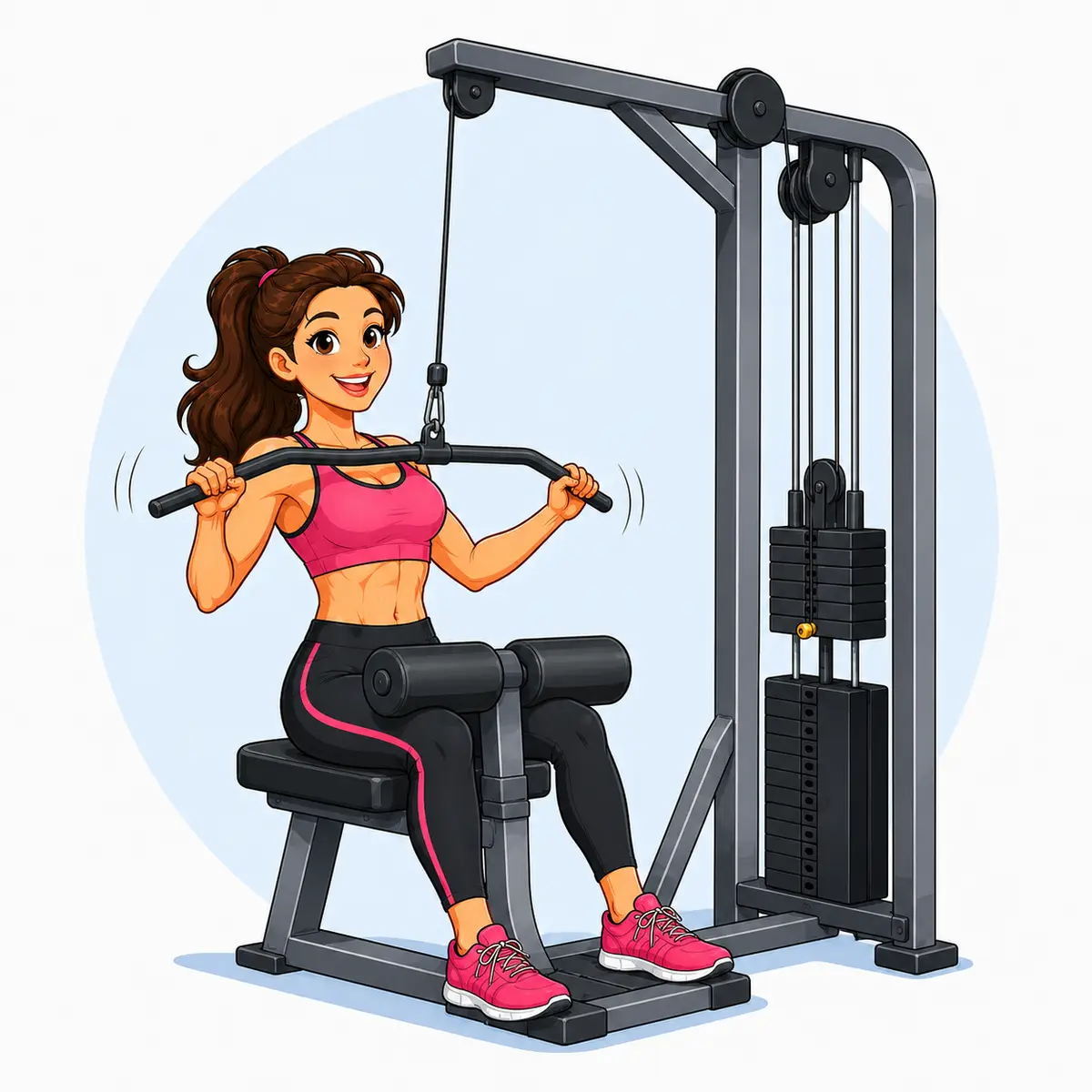
Lat pulldown
3 x 12 reps
Muscles worked: Latissimus dorsi, biceps
Proper technique: Sit in the machine, grip slightly wider than shoulders. Pull the bar to your upper chest (not behind the head), using your back rather than your arms. Return slowly.
Common mistakes: Using momentum, pulling with the arms instead of the back, too much weight.
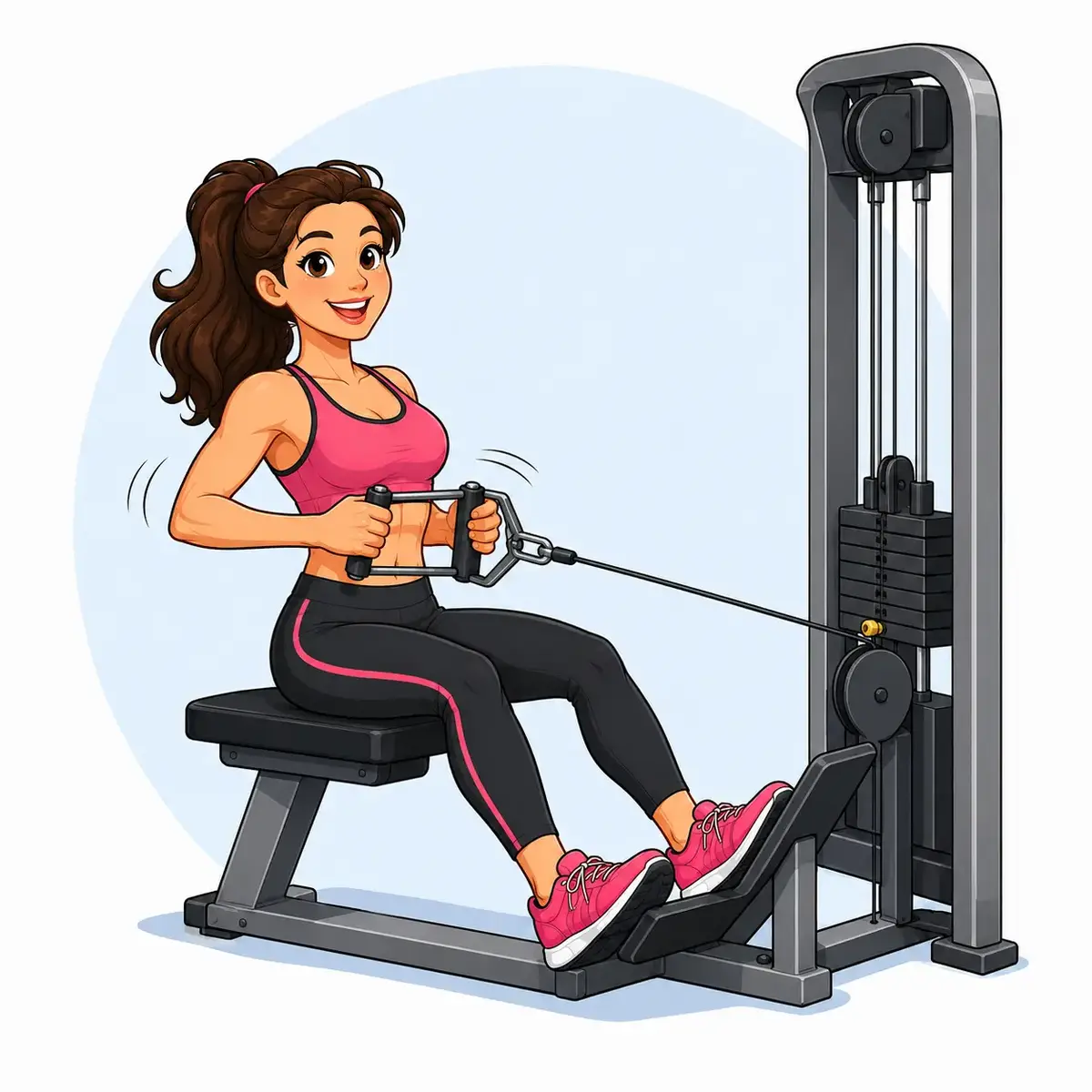
Proper technique: Sit tall, feet on the platform. Pull the handles towards your stomach and squeeze your shoulder blades together. Hold for 1 second, then return.
Common mistakes: Rocking back and forth, pulling with the arms, rounded back.
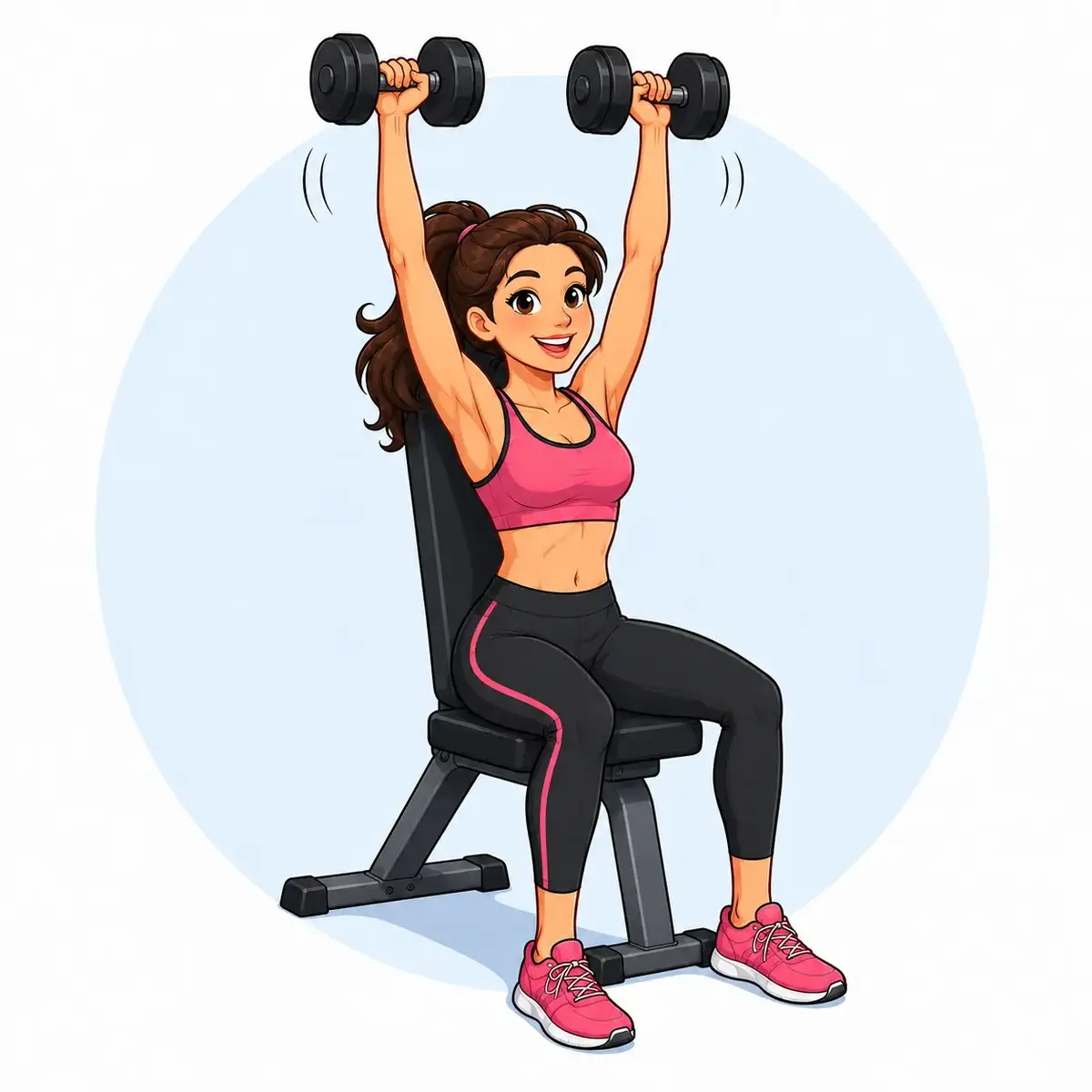
Shoulder press
3 x 10 reps
Muscles worked: Shoulders (deltoids), triceps
Proper technique: Sit tall with dumbbells at shoulder height. Press them overhead in a controlled movement without fully locking the elbows. Lower slowly.
Common mistakes: Weight too heavy, arching the back, moving too fast.
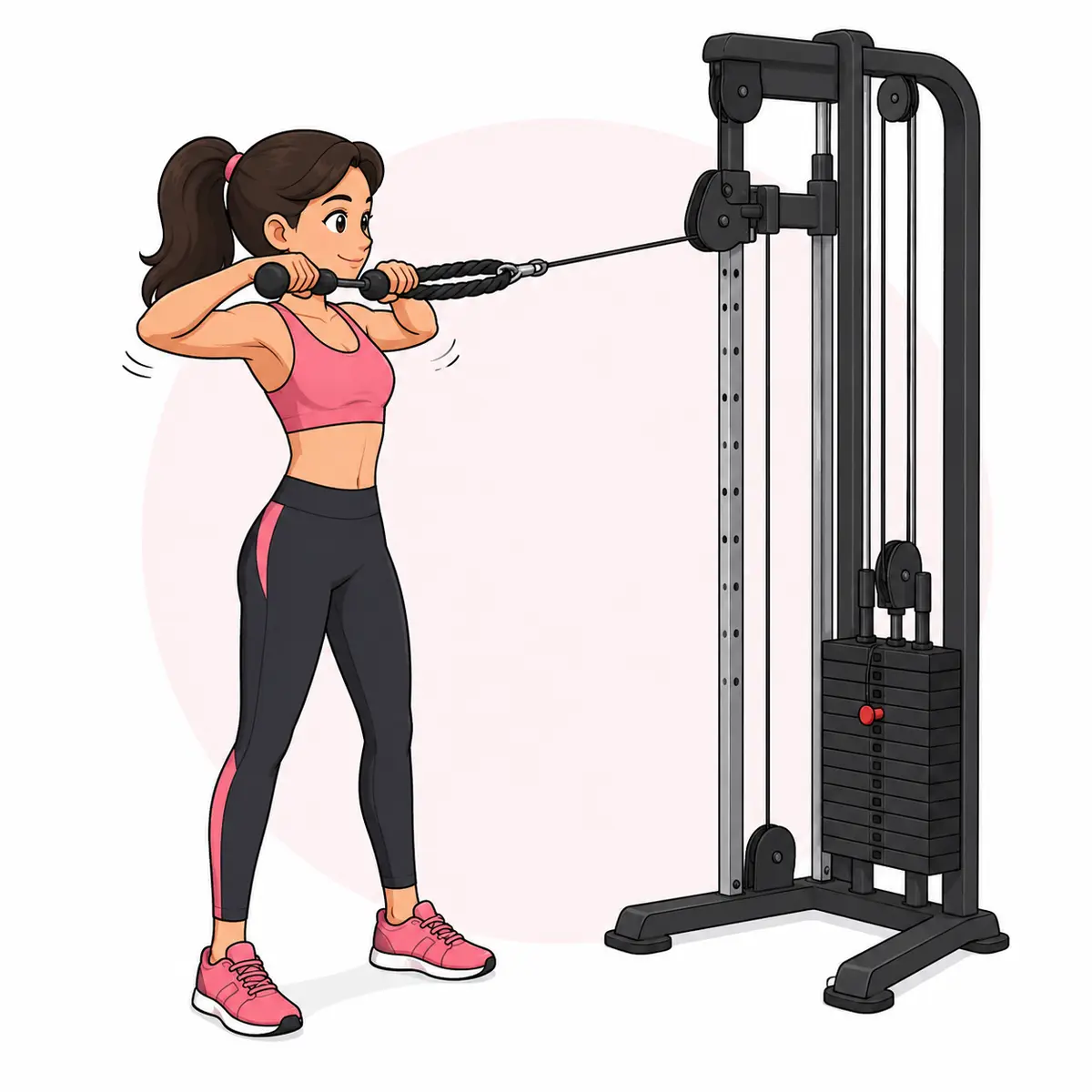
Proper technique: Band or rope at face height. Pull towards your face, spreading your hands apart (elbows high). Squeeze your shoulder blades. A great exercise for posture!
Common mistakes: Pulling only with the arms, moving too fast, too much weight.
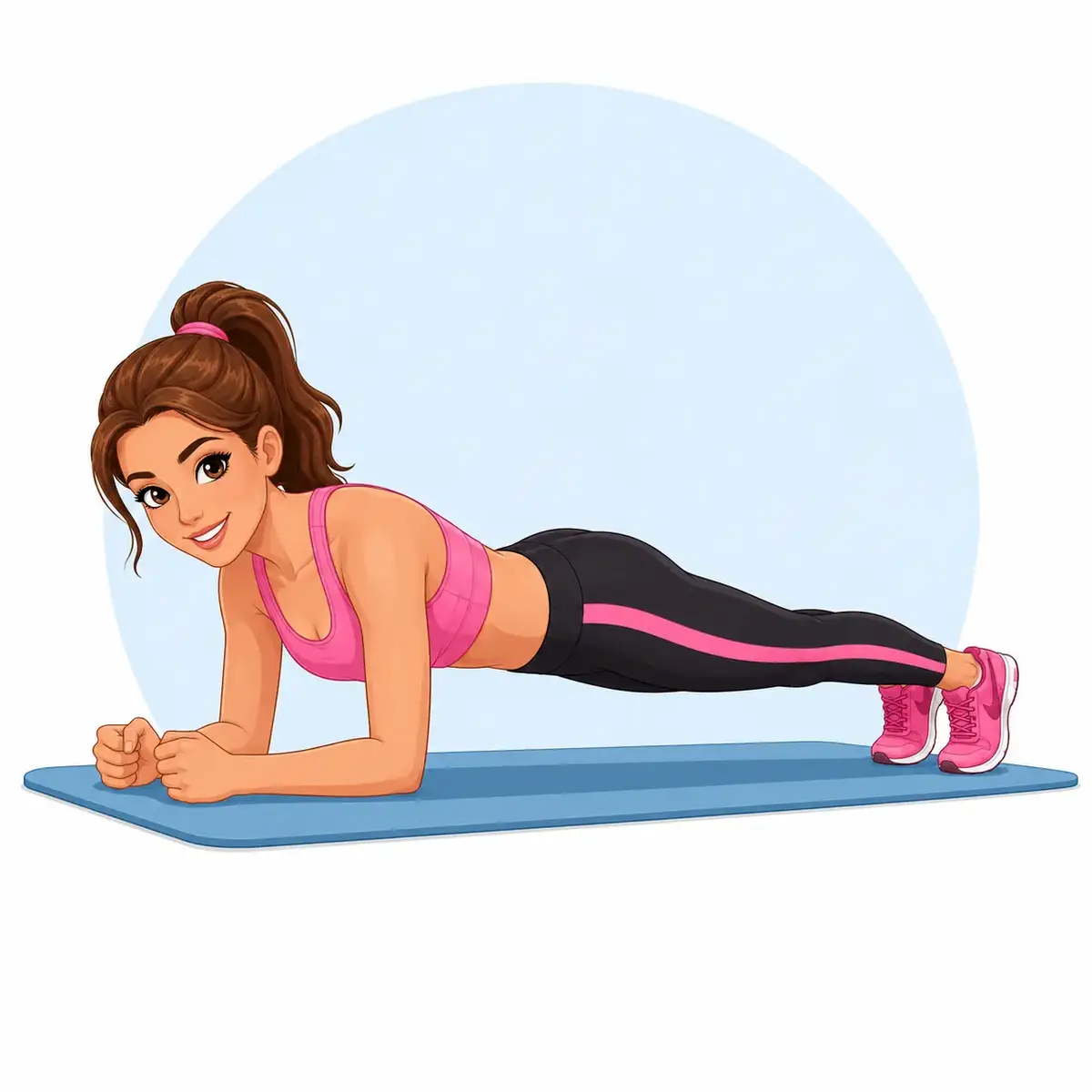
Plank
3 x 30–45 seconds
Muscles worked: Core, lower back, shoulders
Proper technique: Elbows under shoulders, body in a straight line from head to heels. Brace your stomach and don't let your hips sag or rise. Breathe normally.
Common mistakes: Sagging hips, raised bottom, holding your breath.
Cardio training for women
Cardio is a useful addition but not the most important part of a body-shaping programme. The focus is on strength training; cardio improves fitness, heart health and burns extra calories.
Goal
Recommendation
Weight loss
2–3 times a week, 20–30 minutes (brisk walking, stepper, incline treadmill)
Fitness
2–3 times a week, 15–25 minutes (intervals, bike, elliptical)
Maintenance
1–2 times a week, 20–30 minutes (any activity you enjoy)
Recommended cardio activities:
Brisk walking (treadmill or outdoors)
Incline treadmill walking
Stepper machine
Stationary bike
Elliptical trainer
TreadmillStepperBike
Nutrition for women who train
Good nutrition is just as important as training. Without quality food you won't get results, no matter how much you train.
Protein
The basis for muscle recovery and growth. Aim for 1.6–2 g of protein per kilogram of body weight per day.
Examples: Chicken, beef, fish (tuna, salmon), eggs, Greek yoghurt, cottage cheese, whey protein
Carbohydrates
Energy for training and daily life. Choose complex carbohydrates.
This is a general example, not a strict diet. Adjust portions to your weight, height and activity level. For personalised advice, consult a nutritionist.
Breakfast
Oats (50 g) + Greek yoghurt or whey protein + banana
07:00 – 09:00
Snack
Apple + a handful of almonds (or another snack with protein and fruit)
10:00 – 11:00
Lunch
Chicken (150–200 g) + rice (one cup cooked) + salad with olive oil
12:00 – 14:00
Snack (before/after training)
Protein yoghurt or cottage cheese + fruit
16:00 – 17:00
Dinner
Eggs (veggie omelette) or tuna + potatoes or wholegrain bread + salad
19:00 – 20:00
Important: This sample plan is designed for a moderate calorie deficit (weight loss). Adjust portions to suit you. If you feel tired or hungry, eat more. If you see no results after 2–3 weeks, reduce slightly. Drink 2–3 litres of water a day.
Sample meal plan for body shaping
This plan is for women who want to maintain or slightly increase muscle while losing fat (body recomposition).
Greek yoghurt (200 g) + blueberries or other berries + a handful of almonds
10:00 – 11:00
Lunch
Beef or chicken (200 g) + potatoes (150–200 g) + salad with olive oil
12:00 – 14:00
Snack (before/after training)
Whey protein shake or cottage cheese (150 g) + banana
16:00 – 17:00
Dinner
Salmon/tuna/chicken (200 g) + rice (one cup cooked) + roasted or steamed vegetables
19:00 – 20:00
Note: This plan has more protein and calories than the weight-loss plan. The focus is on building muscle while keeping fat gain minimal. Increase protein to 2 g per kg of body weight. Train strength regularly and be patient – results come after 2–3 months.
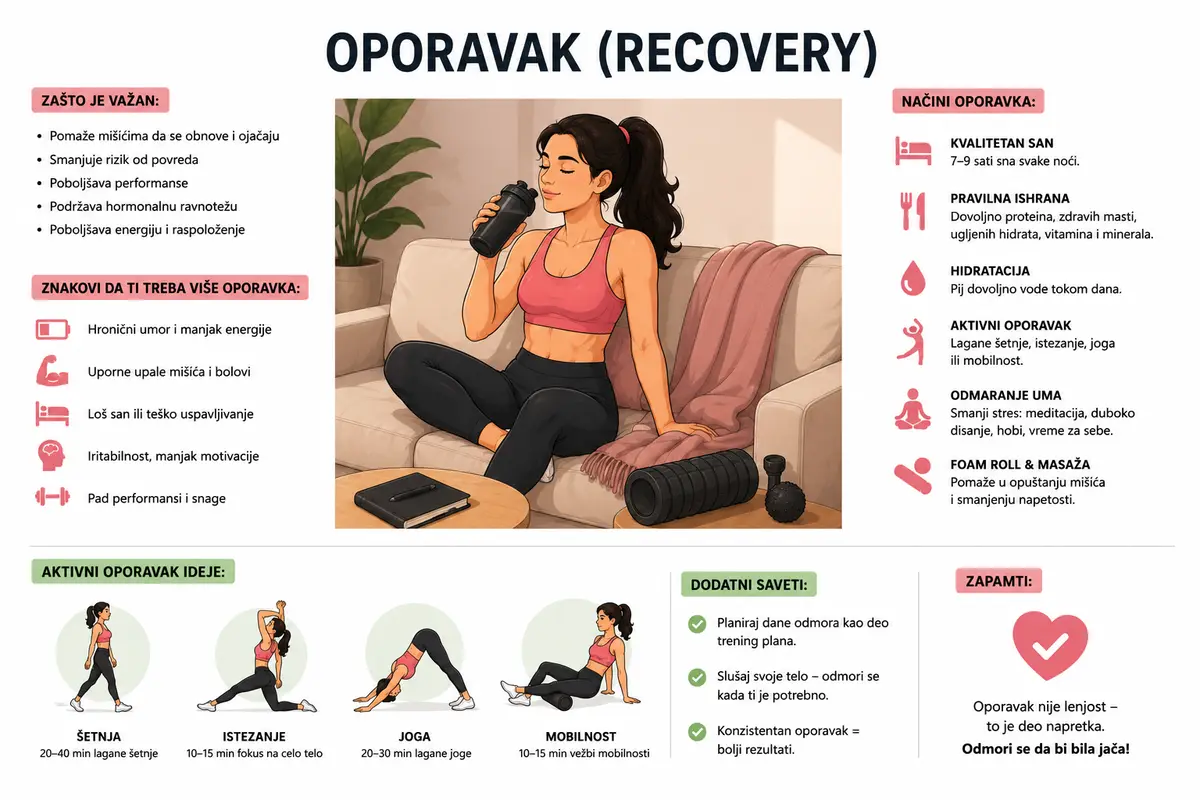
Water, sleep and recovery
Water
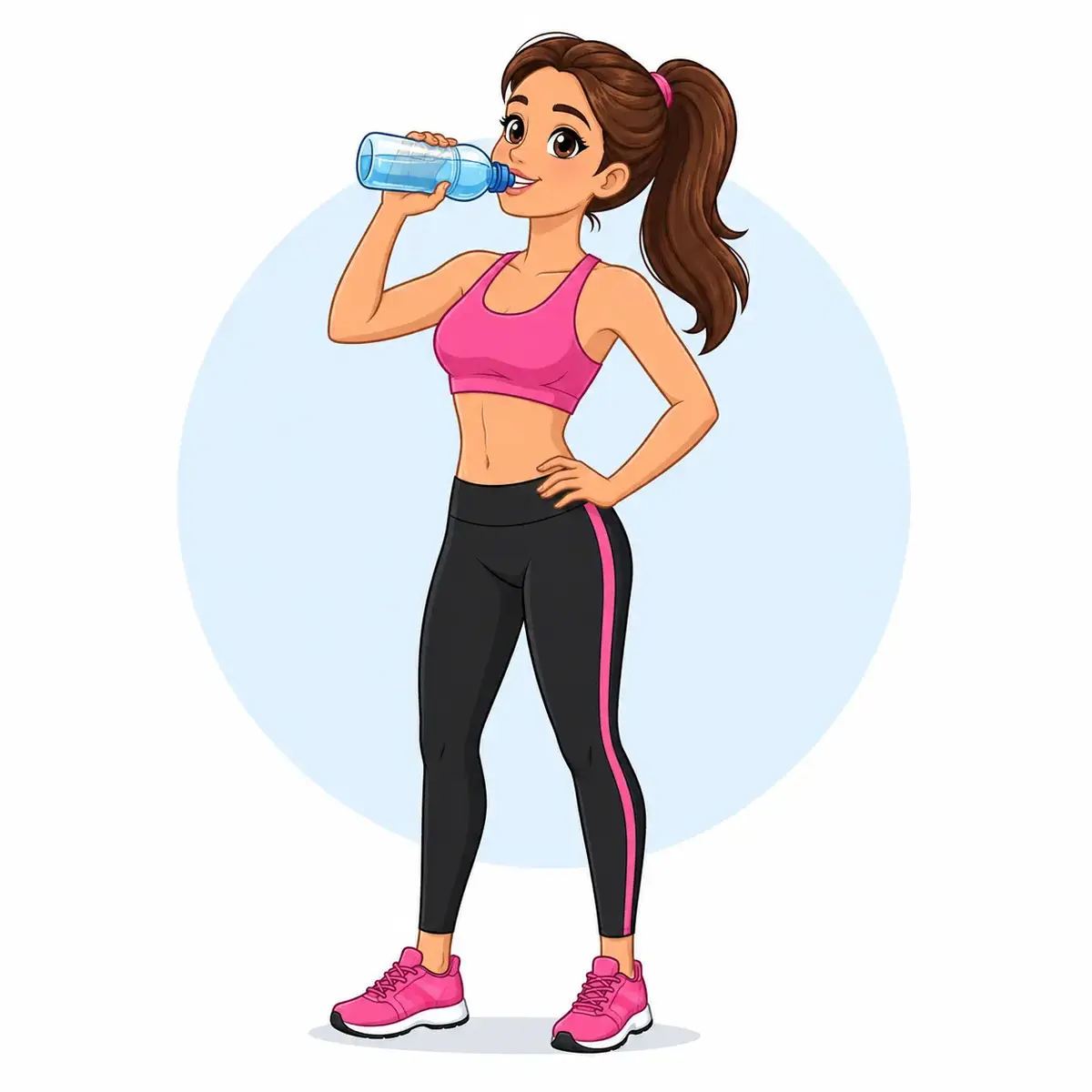
Drink 2–3 litres of water a day. Water supports muscle recovery, digestion, temperature regulation and overall health. Carry a bottle and sip throughout the day.
Sleep
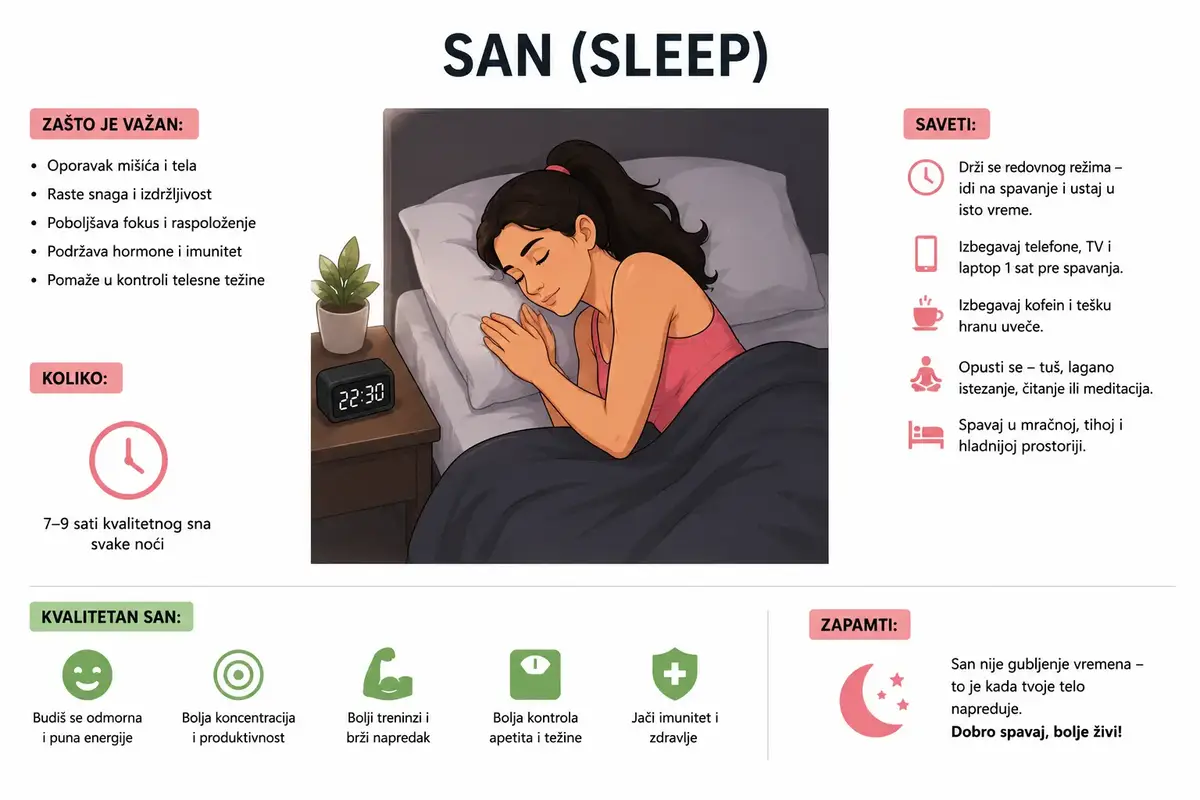
Sleep 7–9 hours every night. Sleep is key for muscle recovery, hormonal balance and mental health. Without enough sleep you won't see results.
Recovery
Muscles grow during rest, not during training. Don't train the same muscle groups two days in a row. Add light activity (walking, stretching) on rest days.
Supplements — what makes sense and what you don't need
Most supplements aren't necessary for beginners. Here is a short overview of what can be useful:
Supplement
Is it useful?
Whey protein
Useful if it's hard to get enough protein from food. A quick, practical protein source.
Creatine
Can help strength and recovery. A well-researched supplement for performance.
Magnesium
Can help muscle recovery and sleep quality. Often low in active women.
Omega 3 (fish oil)
Useful if you don't eat oily fish 2–3 times a week. Supports recovery and overall health.
What to avoid:
Fat burners (they don't work as advertised)
Detox teas and products (your body detoxes itself)
Extreme products with questionable ingredients
Anything promising fast, miraculous results
Most common beginner mistakes
Too much cardio, too little strength
Focus on strength training. Cardio is an add-on, not the base.
Eating too little
Extreme diets slow your metabolism and give temporary results. Eat enough!
Irregular training
3 regular sessions a week beat 6 occasional ones. Consistency is key.
Too much weight at the start
Start light and master the technique. Injuries set you back for months.
Copying Instagram workouts
Influencers aren't coaches. Their workouts often aren't suitable for beginners.
Expecting fast results
Body transformation takes months, not weeks. Be patient and persistent.
When can you expect results?
2–3 weeks
More energy, better mood, easier mornings, less out of breath on the stairs
4–6 weeks
More strength, exercises feel easier, you can lift heavier, you feel firmer
2–3 months
Visible changes: firmer body, better posture, clothes fit better
6+ months
Real transformation: defined muscles, visibly shaped body, more strength and endurance
Important: These timeframes are approximate and depend on your starting fitness, consistency, nutrition and genetics. Focus on the process, not only on visual changes. Your health, strength and fitness improve from day one!
Frequently asked questions
How many times a week should a beginner train?
3–4 times a week is ideal for beginners. It gives your muscles enough stimulus with proper recovery. Start with 3 times a week and move to 4 once your body is used to it.
Should women train with weights?
Absolutely! Strength training is the best way to shape your body, raise your metabolism and build strength. Don't worry – you won't get “bulky”. Women don't have enough testosterone to build big muscles without years of intense training and a specific diet.
Does cardio burn fat?
Cardio burns calories but doesn't “melt” fat directly. A calorie deficit (burning more than you eat) is the key to weight loss. Cardio can help, but no more than strength training and diet. We recommend a moderate amount (2–3 times a week for 20–30 minutes).
Do I have to take supplements?
No, supplements are optional. They can help if it's hard to get enough protein from food (whey) or you lack certain nutrients (magnesium, omega 3). Most results come from training and good nutrition, not supplements.
How soon will I see results?
It depends on your starting point, nutrition and consistency. First improvements (more energy, better mood) come after 2–3 weeks. Visible changes appear after 6–8 weeks of regular training. Bigger changes come after 3–6 months.
Is this plan only for weight loss?
No! It's for beginners who want to lose weight, shape their body, get stronger, improve fitness and learn proper technique. Your nutrition and calorie intake decide whether you lose, maintain or build.
Start training at GymAlinar
Now that you have a training and nutrition plan, it's time to put it into practice! GymAlinar, the women-only gym in Dobrinja, Sarajevo, is a safe space to start your fitness journey with support and without pressure.
This is general advice. Anyone with a medical condition (heart or joint problems, pregnancy, diabetes, high blood pressure, etc.) should consult a doctor or nutritionist before starting any training programme or changing their diet.